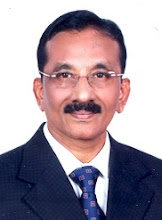
Abu Dhabi: The Federal National Council (FNC) will be reviewing on Tuesday a draft commercial companies law that would allow full foreign ownership of certain firms “but within specific conditions,” said Ali Eisa Al Nuaimi, a representative from Ajman.
“Members of the House will debate in a two-day session a draft commercial law that will allow 100 per cent foreign ownership of some companies, within specific conditions,” said Al Nuaimi, a representative from Ajman.
The draft legislation would authorise the Cabinet, on advice from the Minister of Economy, to name companies which would be fully owned by foreigners.
Under UAE law only citizens are allowed full ownership of companies operating outside of free zones. The law currently allows foreigners to own a maximum of 49 per cent of companies registered outside of free zones — and requires foreigners to have an Emirati as a partner or sponsor to conduct business.
Al Nuaimi told Gulf News eligible companies would “have to be within the industries that have certain priorities within the economy, such as aerospace, communications and petrochemicals.”
“These companies should bring added value in terms of providing their expertise to support the UAE’s continued development and growth. They should also hire large numbers of Emiratis, with each offering 100 jobs or more to citizens,” argued Al Nuaimi, also rapporteur of the parliamentary financial committee.
He added the legislation would lay down a framework for the governance of public companies, ensuring transparency and disclosure of financial data as well as the efficiency and integrity of the board of directors.
“The law is meant to improve the business landscape in the UAE and make it easier to do business and potentially boost the economy. It will enforce strict corporate governance standards in accordance with international practices,” Al Nuaimi said.
The draft law, he added, would also open up the jurisdiction for free zone companies wishing to operate in the UAE outside of the free zones.
Al Nuaimi said the committee would suggest making governance rules applicable to all members and chairs of the board, removing particular partnership companies from the draft law and making it obligatory for company founders to return share cash plus interest in the event public joint stock companies are not set up.
The committee also stressed that foreigners may not be allowed to act as agents of foreign companies and that labour shares can only be accepted from acting partners.
Under the draft law, which comprises 12 chapters and 383 articles, the founders of a Public Joint Stock Company (PJSC) are obliged to subscribe to no less than 30 per cent of the issued capital of a company.
The draft law will not apply to companies excluded by a Cabinet resolution. These include companies wholly owned by federal or local authorities, companies in which the federal or local authority, or any establishment, authority, department or company controlled or held by any of the foregoing (directly or indirectly) holds at least a 25 per cent shareholding and which operates in oil exploration, drilling, refining, manufacturing, marketing or operating in the energy sector in power generation, gas production, or water desalination and distribution.
Members of the House are also set to press for the boosting of domestic tourism and the setting up of a federal drugs watchdog.
“Members of the House will debate in a two-day session a draft commercial law that will allow 100 per cent foreign ownership of some companies, within specific conditions,” said Al Nuaimi, a representative from Ajman.
The draft legislation would authorise the Cabinet, on advice from the Minister of Economy, to name companies which would be fully owned by foreigners.
Under UAE law only citizens are allowed full ownership of companies operating outside of free zones. The law currently allows foreigners to own a maximum of 49 per cent of companies registered outside of free zones — and requires foreigners to have an Emirati as a partner or sponsor to conduct business.
Al Nuaimi told Gulf News eligible companies would “have to be within the industries that have certain priorities within the economy, such as aerospace, communications and petrochemicals.”
“These companies should bring added value in terms of providing their expertise to support the UAE’s continued development and growth. They should also hire large numbers of Emiratis, with each offering 100 jobs or more to citizens,” argued Al Nuaimi, also rapporteur of the parliamentary financial committee.
He added the legislation would lay down a framework for the governance of public companies, ensuring transparency and disclosure of financial data as well as the efficiency and integrity of the board of directors.
“The law is meant to improve the business landscape in the UAE and make it easier to do business and potentially boost the economy. It will enforce strict corporate governance standards in accordance with international practices,” Al Nuaimi said.
The draft law, he added, would also open up the jurisdiction for free zone companies wishing to operate in the UAE outside of the free zones.
Al Nuaimi said the committee would suggest making governance rules applicable to all members and chairs of the board, removing particular partnership companies from the draft law and making it obligatory for company founders to return share cash plus interest in the event public joint stock companies are not set up.
The committee also stressed that foreigners may not be allowed to act as agents of foreign companies and that labour shares can only be accepted from acting partners.
Under the draft law, which comprises 12 chapters and 383 articles, the founders of a Public Joint Stock Company (PJSC) are obliged to subscribe to no less than 30 per cent of the issued capital of a company.
The draft law will not apply to companies excluded by a Cabinet resolution. These include companies wholly owned by federal or local authorities, companies in which the federal or local authority, or any establishment, authority, department or company controlled or held by any of the foregoing (directly or indirectly) holds at least a 25 per cent shareholding and which operates in oil exploration, drilling, refining, manufacturing, marketing or operating in the energy sector in power generation, gas production, or water desalination and distribution.
Members of the House are also set to press for the boosting of domestic tourism and the setting up of a federal drugs watchdog.